
The fastest way to lose equity is letting termites go undetected. Our warm, humid climate and timber-rich housing stock (especially classic Queenslanders and low-set brick veneer with timber framing) make Brisbane a hotspot for subterranean termites. The good news: when you know what to look for, and what to do next, you can catch activity early, minimise structural damage, and protect your sale price.
The Most Common, Early Indoor Signs
1) Hollow-sounding or papery timber
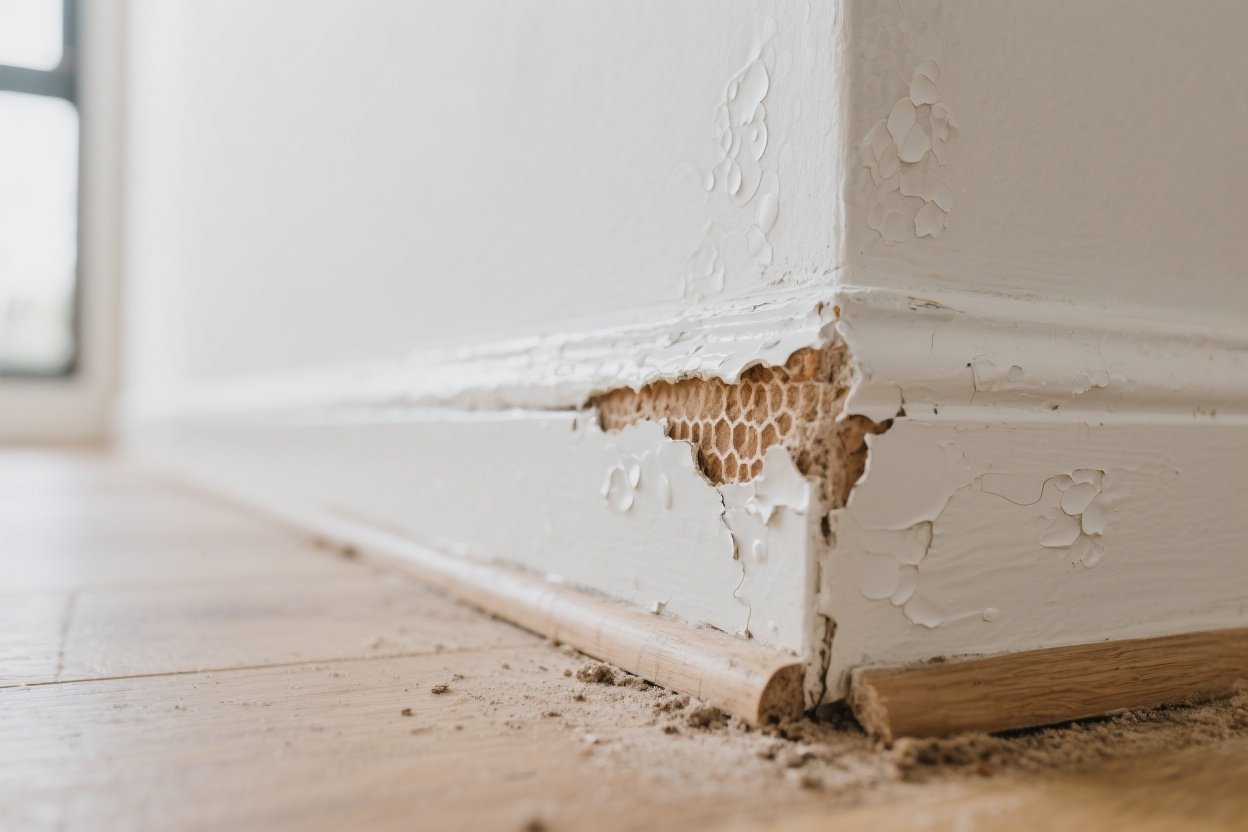
Lightly tap skirting boards, architraves, window reveals, and door jambs. If it sounds hollow or papery, termites may have eaten the interior, leaving only paint or a thin timber skin. This “shelling” is an early giveaway.
2) Blistered or bubbling paint
Paint that looks like water damage, but without a clear leak, often hides termite galleries. You might also see slight ripples or sagging on gyprock.
3) Soft floors and “give” underfoot
Termite damage to floor joists and bearers can telegraph as spongy boards or unexplained squeaks in high-traffic areas and near wet rooms.
4) Tight windows and sticking doors
As moisture increases and timbers deform, windows and doors can go out of square. If seasonal movement lasts longer than expected, check nearby timber for other signs.
5) Faint rustling behind walls
You won’t always hear them, but in quiet rooms you may notice a faint rustle or soft clicking from inside walls or skirtings, another reason to book a professional inspection.
Outdoor Red Flags Most Owners Miss
Mud tubes (a.k.a. mud leads)
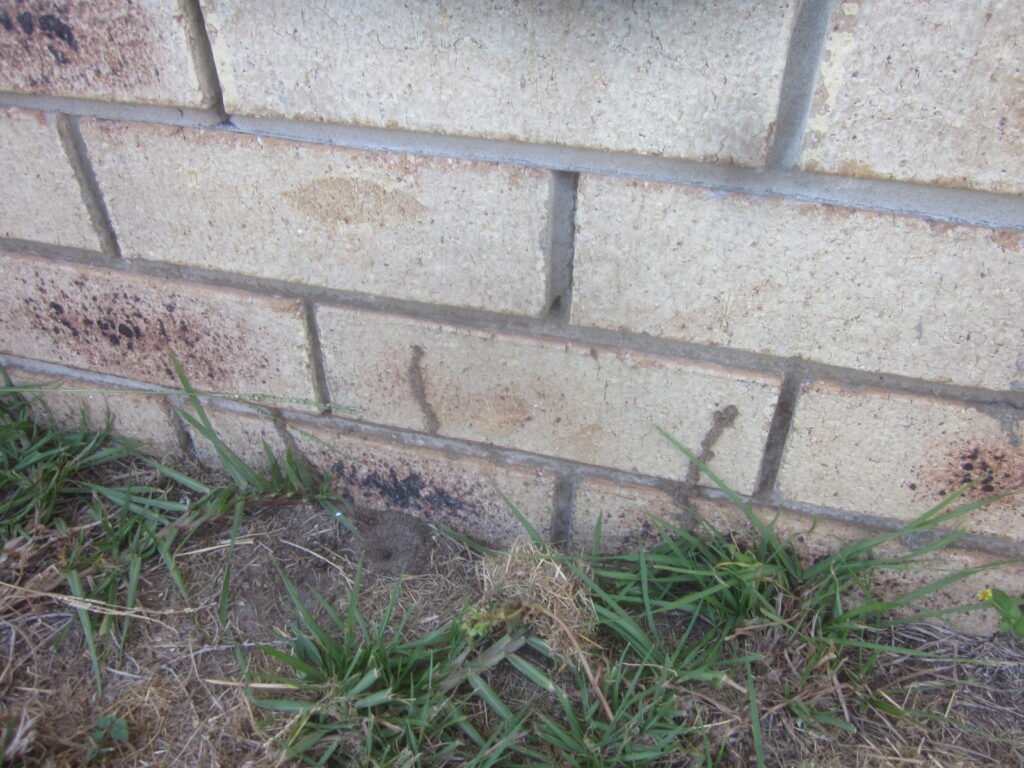
Subterranean termites build mud tubes to travel safely between soil and timber. Look for pencil-width earth “lines” on stumps, piers, retaining walls, slab edges, brick mortar lines, and around meter boxes. Do not break or spray these , cover gently and call a pro.
Timber landscaping and garden beds
- Garden beds built up against external walls hide slab edges and let termites enter undetected.
- Timber sleepers, fence posts, mulch, and buried offcuts attract and feed colonies. Keep these clear of the house and on termite-resistant supports.
Damp zones and plumbing leaks
Air-con drains, hot water system overflows, leaking taps, and poor downpipe discharge raise soil moisture, prime termite conditions. Fix drainage and leaks promptly.
Where I Find Termites Most Often (Contractor’s Shortlist
Under and around wet areas
- Bathroom, laundry, and kitchen walls
- Subfloor timber near bathrooms (if applicable)
Access points and perimeters
- Slab penetrations (plumbing and electrical)
- Cold joints, slab edges, and weep holes
- Left-open expansion joints and service conduits
Decorative and structural timbers
- Stair stringers and landing supports
- Deck posts and ledger boards
- Window sills, door jamb bases, and skirting intersections
What To Do If You Suspect Termites
Don’t DIY: avoid these common mistakes
- Don’t spray retail insecticides into galleries or over mud tubes. You’ll scatter the colony and make proper treatment harder and costlier.
- Don’t rip off skirtings or open walls to “check.” Disturbance often drives termites deeper or elsewhere.
Call a licensed professional
Book a full termite inspection with a licensed pest manager. In Queensland, annual inspections are widely recommended. High-risk homes may need more frequent checks. See the QBCC’s homeowner guidance on inspections and maintenance schedules QBCC.
Expect a thorough, tool-assisted inspection
A professional will combine:
- Visual inspection of interior, exterior, roof void, and subfloor (if accessible)
- Moisture readings at suspect walls
- Sounding of timbers and thermal imaging where appropriate
- A written report with clear next steps
Treatment Options Your Contractor May Recommend
Soil treatments (chemical barriers)
A continuous treated zone around the structure (and at slab penetrations) blocks concealed entry. Barriers may require trenching and drilling. Ongoing maintenance is essential per the product label and system design. See QBCC guidance on termite management systems for homeowners QBCC PDF.
Baiting and monitoring systems
In-ground and above-ground baits target the colony, including the queen. Best for complex sites or where chemical barriers aren’t practical.
Rectification of conducive conditions
Drainage fixes, leak repairs, termite caps (where applicable), clearing subfloor obstructions, and restoring inspection zones (exposed slab edges, accessible weep holes) amplify any treatment’s effectiveness.
Prevention Checklist for Brisbane Homes
Outside
- Maintain at least 75mm of visible slab edge. Keep garden beds, paths, and turf from covering the edge.
- Keep mulch and timber landscaping away from the house perimeter or place them on termite-resistant supports.
- Fix leaks and improve site drainage by discharging downpipes to the proper drains.
- Store firewood well off the ground and away from the house.
Inside
- Investigate bubbling paint, sagging plaster, or musty smells near skirtings.
- Watch for recurring door/window misalignment not explained by seasonal change.
- Book annual termite inspections, more often for high-risk homes or after renovations.
Renovations
- Before pouring new slabs, building decks, or adding garden beds, plan for continuity of your termite management system and keep inspection zones visible, this is a frequent weak point after renos. The QBCC highlights the importance of maintaining and displaying termite system details (often at the meter box) and following inspection intervals QBCC.
For Sellers and Buyers in Brisbane
As a seller, undisclosed termite damage can derail contracts and crush your price. As a buyer, a thorough pre-purchase building and pest inspection is non-negotiable. For Queensland-specific guidance before buying or selling, review the QBCC’s “Before you buy and sell” page QBCC.
- Sellers: If you suspect activity, get a professional inspection and treatment first, then disclose repairs and provide compliance/treatment documentation. Proactive transparency preserves trust and value.
- Buyers: Choose inspectors who conduct full internal/external assessments and provide detailed, photographic reports with moisture readings and clear recommendations.
Final Word from the Contractor’s Truck
Termites are a cost-of-living problem hiding in your walls. If you act on the early signs, hollow timber, mud tubes, blistered paint, soft floors, and book a licensed inspection, you’ll usually fix it for a fraction of the cost of a structural rebuild. Keep your inspection zones visible, maintain your system, and treat moisture like the enemy. That’s how you protect your biggest asset in Brisbane.