Buying your first home in Brisbane is exciting—and nerve-wracking. As a licensed pest control contractor and a property seller who’s been on both sides of the deal, I can tell you a thorough pre-purchase pest inspection is the cheapest insurance you’ll buy. Southeast Queensland is high-risk for termites, moisture-related timber decay, and pests that hide in places first-time buyers rarely look. This practical checklist explains exactly what to inspect, what the findings mean for your hip pocket, and how to use the results to negotiate confidently.
Why Brisbane Homes Are High Risk For Termites
Brisbane’s warm, humid climate and storm seasons create ideal conditions for subterranean termites. Many local homes are timber-framed, and classic Queenslanders often have accessible subfloors—great for maintenance, but also vulnerable if moisture and soil levels aren’t controlled. Even slab-on-ground homes can be compromised when garden beds, paths, or renovations bridge termite barriers. If you’re buying anywhere around Greater Brisbane, assume termite pressure is present and verify the home’s defences.
What Your Pest Inspector Should Check (And The Tools They Use)
As a buyer, don’t just trust that “a pest inspection was done.” Understand what a competent inspection entails and confirm your inspector brings the right equipment.
- Moisture meter: Detects elevated moisture in walls, skirtings, bathrooms, and around external door frames—often the first clue of hidden termite or decay issues.
- Thermal imaging camera: Highlights temperature anomalies that can indicate moisture or termite activity behind surfaces. Not a magic X-ray, but a valuable supplementary tool.
- Tapping/sounding tool: Helps identify hollow-sounding or damaged timber.
- Torch and probe/screwdriver: For close inspection of subfloor timbers, stumps, decking, and roof void framing.
- Borescope (where access is limited): For peeking into cavities or behind insulation.
- Ladder and PPE: Safe access to the roof void, gutters, and eaves.
- Inspection of termite management systems: Evidence of physical barriers (e.g., ant caps), chemical soil treatments, reticulation lines, and baiting stations.
Ask your inspector to walk you through their findings on-site. As a seller, I’ve always preferred buyers who attend the inspection—they understand the home better and avoid surprises later.
Room-By-Room Pest Inspection Checklist
Exterior And Site
- Drainage and grading: Look for ponding near footings; poor fall encourages termite activity and timber decay.
- Gardens and paths: Check for “bridging” over termite barriers—garden beds or pavers hard against slab edges are common risks.
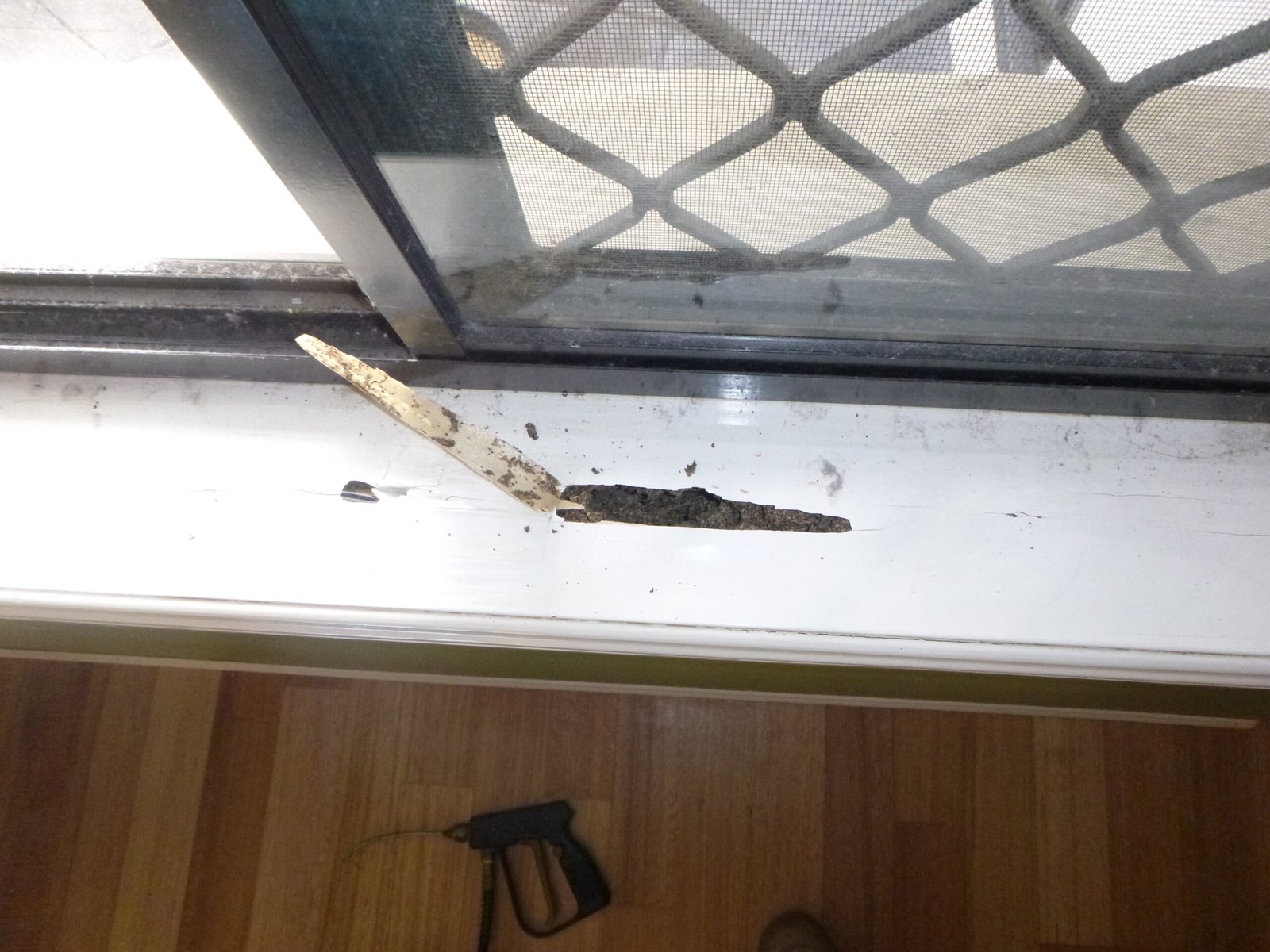
- Timber elements: Decks, steps, pergolas, fences, retaining walls—probe for softness or mud tubes.
- Weep holes and vents: Ensure they’re clear and not obstructed by soil or mulch.
- Trees and stumps: Old tree stumps, sleepers, and stored firewood are termite magnets.
Subfloor And Foundations (Queenslanders And Raised Homes)
- Timber stumps and ant caps: Caps should be clear of soil contact; look for mud tubes, rusted caps, and high soil lines.
- Ventilation: Cross-ventilation prevents moisture build-up; note damp smells or fungal growth.
- Plumbing leaks: Drips from bathrooms, kitchens, or laundry cause timber decay and attract termites.
Roof Void And Eaves
- Leaks and staining: Water entry leads to decay and can mask pest activity.
- Timber condition: Probe rafters, battens, and trusses where feasible.
- Insulation placement: Ensure it doesn’t hide moisture issues around eaves.
Interior Rooms
- Skirtings, architraves, and door jambs: Probe gently for softness; look for blistered paint, ripples, or hairline cracks near floor junctions.
- Cupboards and wet areas: Pay special attention under sinks and around showers and baths for moisture anomalies.
- Floor coverings: Loose tiles or bouncy boards can indicate underlying issues.
Garage And Outbuildings
- Slab edges: Check for visible slab edges and any termite barrier markers.
- Stored items: Clutter can conceal activity—request clear access for inspection.
Units And Townhouses
- Boundaries and common areas: Understand the body corporate’s termite management plan and maintenance responsibilities.
- Access limitations: Expect some limitations, but still seek moisture and pest assessments within the lot’s boundaries.
Red Flags That Should Pause Your Purchase
- Active termite mud tubes or live activity detected.
- High moisture readings around external door frames or showers with no clear cause.
- Bridged or missing termite barriers, especially in homes with recent landscaping or renovations.
- Significant timber decay in decks, stairs, or subfloor elements.
- A history of infestation without documented treatment and follow-up inspections.
These findings aren’t automatic deal-breakers, but they usually mean you should renegotiate, request remediation before settlement, or walk away if the risk can’t be quantified.
Common Termite Treatments In Brisbane And What They Mean For Buyers
Chemical Soil Treatments
Modern non-repellent termiticides can protect for several years when applied correctly. Ask for the chemical used, application date, warranty period, and whether slab penetrations and perimeter soils were fully treated.
Physical Barriers And Ant Caps
Ant caps don’t stop termites; they force visible mud tubes. Look for intact caps and visible slab edges. Disturbed or bridged barriers reduce effectiveness.
Baiting Systems
Baits can be very effective when monitored. Confirm the brand, monitoring schedule, and transferability of service agreements.
Reticulation Lines
If present, confirm the line’s condition, refill history, and licensed applicator’s records.
Warranties And Transfer
Some warranties transfer to new owners if you notify the provider within a set time after settlement and maintain inspections at set intervals. Get this in writing before contract deadlines.
Documents And Proof You Should Request
- The latest pest inspection report with moisture/thermal findings.
- Treatment certificates and site plans for chemical or physical barriers.
- Monitoring logs for baiting systems.
- Maintenance/inspection schedule and any warranty conditions.
- Scope and limitations of the inspection (e.g., inaccessible areas).
How To Use The Report To Negotiate Like A Pro
As both a contractor and seller, I recommend you make your contract “subject to building and pest” with sufficient time to arrange access. If the report reveals issues:
- Request rectification by a licensed contractor prior to settlement, with certificates provided; or
- Negotiate a price reduction reflecting worst-case repair/treatment costs plus contingency; or
- Walk away if activity is severe or access limitations prevent a confident assessment.
Be firm but fair—sellers respond better to clear quotes and documented findings than vague concerns.
Costs, Timeframes, And Access Tips
- Typical combined building and pest inspections run 1.5–3.0 hours depending on size and access.
- In Brisbane, allow 3–7 days in your contract conditions for inspections and reports.
- Ensure keys and roof/subfloor access are arranged in advance; limited access creates exclusions that weaken your negotiating position.
- If moisture readings are elevated without a clear cause, consider invasive follow-up (e.g., removing skirting or using a borescope) subject to owner consent.
FAQs For First-Time Brisbane Buyers
Do I Need Both A Building And A Pest Inspection?
Yes. A licensed building inspector and a licensed pest controller cover different risks. Ideally, schedule both together.
What If The Inspector Finds Old Termite Damage But No Live Activity?
Old damage is common in Brisbane. The key is confirming repair quality, monitoring records, and whether a current management system is in place.
Final Word From A Contractor And Seller
First-time buyers who plan and attend their pest inspection almost always feel more confident at contract time. Brisbane is a beautiful place to buy, but our climate and construction styles mean you must be thorough. Get the right inspector with the right tools, demand clear documentation, and use your findings to negotiate. With a disciplined checklist and local expertise, you’ll avoid costly surprises and secure a home that’s safe, sound, and ready for you. Ensure your property has the proper value by booking our pest inspection today!