Buying a home in Brisbane is exciting, but in our warm, subtropical climate, timber pests (especially termites) are a real risk to the value and safety of your investment. A pre-purchase pest inspection gives you a clear, independent assessment of current activity and hidden damage, along with conditions that could attract pests in the future. It’s one of the simplest ways to avoid costly surprises and negotiate confidently.
This guide explains exactly what pre-purchase pest inspections involve, how they differ from general building inspections, what standards apply in Australia, and what to expect in Brisbane specifically. You’ll learn the typical costs and timelines, how to choose a qualified inspector, what a good report looks like, and the steps to take if pests are found, so you can make an informed decision before you sign or during your cooling-off/contract conditions period.
The inspection process step-by-step
Here’s what to expect during a Brisbane pre‑purchase pest inspection, from booking to report delivery. Follow these steps to coordinate access, understand findings, and decide confidently within contractual timeframes.
- Confirm key dates: QLD cooling‑off is 5 business days (unless waived). Negotiate a building & pest condition that suits (commonly 7–14 days).
- Choose appropriately licensed, insured professionals: QBCC-licensed building inspector and a licensed timber‑pest technician (often a combined service), working to AS 4349.3.
- Share property details (size, construction, age, strata info) and any known past treatments or issues.
- Coordinate access with the agent/occupants. Arrange keys and safe access to the roof void/subfloor where applicable.
- Prepare access: unlock garages/roof hatches, clear subfloor/manhole entry, move stored items off internal perimeters, and secure pets.
- Confirm scope/limitations up front (e.g., inaccessible areas, furniture/storage obstructions, weather impacts). Note that inspections are non‑invasive unless consent is given.
- On arrival, the inspector confirms the scope, notes the weather, and performs safety checks.
- Exterior: inspect perimeter, slab edges/weep holes, garden beds, retaining walls, fences, timber in soil contact, landscaping, and drainage.
- Interior: check skirtings, architraves, door/window frames, cupboards, wet areas, garages for damage/activity and conducive conditions.
- Roof void (if accessible): examine timbers, ventilation, signs of leaks, termite workings or damage.
- Subfloor (if present): assess drainage/ventilation, piers/bearers, ant caps, timber debris, clearances.
- Outbuildings/structures: decks, pergolas, sheds, and stored timber within the lot boundary.
- Tools used: sounding/tapping, moisture meter. Thermal imaging/borescope, where appropriate (supplementary, not mandatory).
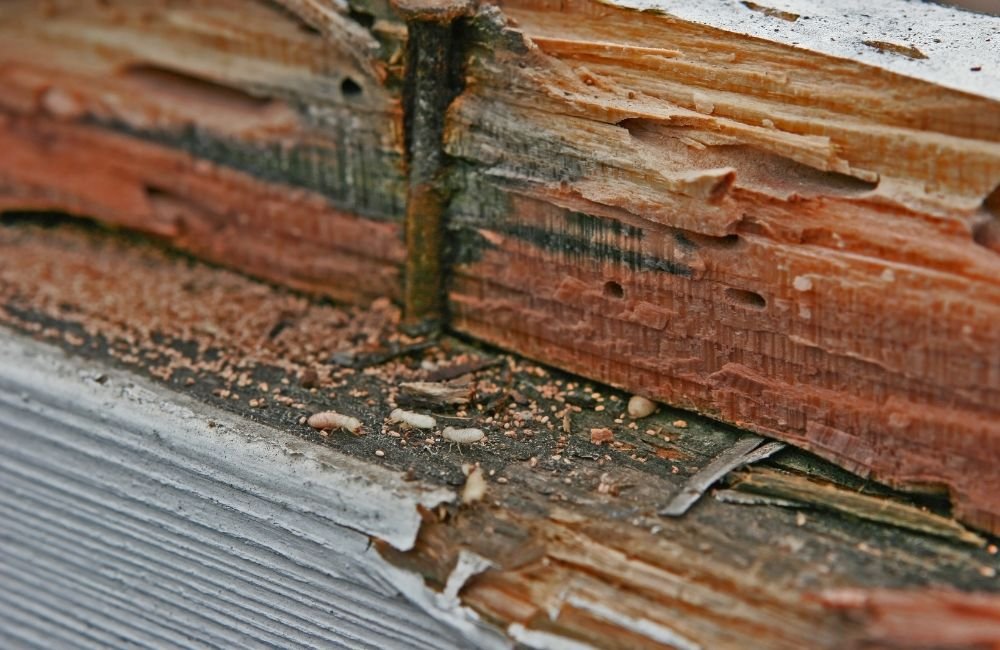
- Evidence recorded: termite workings (mud tubes), damaged timber, frass, elevated moisture, conducive conditions, with photos and clear location references.
- Duration: typically 60–120 minutes, depending on size, access, and complexity.
- Optional attendance: you may attend for a walkthrough. Otherwise, expect a same‑day verbal summary.
- Verbal debrief: key findings, risk ratings, urgent items, and whether invasive follow‑up is recommended (requires owner consent).
- Written report: usually the same or next business day. Include findings, photos, moisture/thermal data (if used), risk ratings, and recommendations compliant with AS 4349.3.
- If pests are found/suspected: obtain treatment quotes, seek repair quotes (builder), and consider invasive inspection if warranted.
- Use the report to negotiate: price adjustments, seller‑funded treatment/repairs, or exercise contract rights if risks are unacceptable.
- After purchase: implement a termite management system and schedule routine inspections every 6–12 months (at least annually in most cases).
Note: This is general information, not legal advice. Always follow your contract and seek professional/legal guidance where needed.
Understanding Your Report
Your timber pest report translates inspection findings into clear recommendations. In Brisbane, pre-purchase pest inspections help you assess risk, negotiate effectively, and plan protection, based on standards and the inspector’s professional judgment.
Scope, Standards, and Ratings
For pre-purchase pest inspections, expect a visual, non-invasive assessment conducted to AS 4349.3 (Timber pest inspections). Reports should state areas inspected and any inaccessible zones. Many inspectors use “low/moderate/high” risk ratings to communicate likelihood and severity. this scale is common industry practice, not mandated by the Standard.
Activity vs. Damage vs. Conducive Conditions
Reports separate confirmed activity (live termites/borers or fresh workings), past damage (old galleries/repairs), and conducive conditions (timber-soil contact, leaks, poor drainage). Each category implies different urgency, verification needs, and next steps.
Moisture and Thermal Readings
Moisture meters identify damp areas that attract termites and decay. elevated readings warrant leak checks and targeted follow-up. Thermal imaging is supplementary, not required by AS 4349.3, and should be corroborated by physical evidence, moisture readings, and sounding.

Photos, Locations, and Access Notes
Clear, location-referenced photos are standard practice to support findings, though not explicitly mandated by AS 4349.3. Geo-tagging is not required. Pay close attention to “restricted” or “no access” notes. Significant limitations may justify reinspection or an invasive investigation by agreement.
Recommendations and Urgency
Expect prioritized, practical recommendations (e.g., immediate treatment where activity is suspected/confirmed, fix moisture/drainage issues. monitor risk areas). Suggested timeframes reflect professional judgment, not statutory requirements.
Limitations and Disclaimers
AS 4349.3 inspections are visual at the time of attendance and non-invasive by default. Weather, finishes, furniture, stored items, and locked areas can conceal defects. Any invasive work (drilling, removal of finishes, borescope through linings) requires owner consent and a separate agreement.
Using the Report to Negotiate
Leverage documented findings, photos, and quotes to negotiate price adjustments, seller-funded treatments/repairs, or other contract remedies. Align pest findings with your building inspection so structural and cost implications are negotiated together.
When to Seek Further Investigation
Consider invasive or targeted follow-up where evidence is inconclusive (e.g., high moisture plus historical damage). Obtain written consent from the owner before any invasive testing, and confirm the scope, methods, and responsibilities in writing.
Validity and Follow-up
Reports reflect conditions on the inspection day. For Brisbane’s high termite pressure, ongoing inspections should follow the guidance of AS 3660.2, which recommends inspections at least annually, and more frequently in higher-risk situations. Implement a suitable termite management system (treated zones, physical barriers, or monitoring/baiting) after settlement.
Why Pest Inspections Are Essential in Brisbane
Brisbane’s humid subtropical climate sustains termite activity year‑round. Pre‑purchase pest inspections uncover hidden issues, clarify urgency, and guide negotiations, protecting property value, safety, and uninsured termite treatment and repair costs.
Subtropical Climate and Termite Pressure
Warm, humid conditions and summer storms create ideal environments for subterranean termites and fungal decay. Activity is continuous, with alate (winged) swarms commonly occurring on warm, humid evenings in spring and summer, often after rain.
Professional inspections look beyond surface clues, identifying moisture anomalies, termite workings (mud tubes), damaged or hollow‑sounding timbers, and conditions that attract pests. So buyers avoid inheriting active infestations or concealed decay that can compromise structural members and finishes.
Local Housing Styles and Vulnerabilities
Brisbane’s housing mix presents different risk pathways. High‑set Queenslanders can mask issues in subfloors where debris, low clearances, or poor ventilation persist. Slab‑on‑ground and brick veneer homes are vulnerable when landscaping or paths “bridge” termite defenses or cover slab edges and weep holes. Good practice is to maintain about 75 mm clearance below weep holes and keep slab edges visible. Renovations and mixed construction can create concealed routes, making experienced, locally informed assessment critical.
Cost, Safety, and Negotiation Power
Timber‑pest damage and termite treatment are generally excluded from standard home insurance, turning small, unnoticed issues into significant out‑of‑pocket expenses. A clear, standards‑based report converts suspicions into evidence, enabling negotiation for price adjustments, seller‑funded treatment/repairs, or contract remedies.
While most lenders don’t require pest reports, a thorough pre-purchase assessment supports informed decisions and budgeting, and highlights safety concerns such as compromised decks, stairs, or handrails that require urgent rectification.
Standards, Ongoing Protection, and Maintenance
Pre‑purchase timber pest inspections are typically performed to AS 4349.3 (visual, non‑invasive). For life‑of‑ownership protection, follow AS 3660.2 guidance: schedule inspections at least annually, and more frequently for high‑risk homes near bushland or waterways.
Implement an appropriate termite management system (treated zones, physical barriers, or monitoring/baiting), keep slab edges and weep holes visible, fix leaks and drainage issues promptly, and maintain ventilation, turning today’s report into a durable, preventative plan.
Conclusion
Pre-purchase pest inspections give Brisbane buyers the clarity needed to protect value, safety, and peace of mind before committing to a property. Conducted in accordance with Australian Standards and focused on visual, non-invasive evidence, they reveal active pests, hidden damage, and conditions that attract termites. A clear report strengthens your negotiating position, guiding price adjustments, seller-funded treatments, or contract decisions.
Ready to safeguard your purchase? Book a pre-purchase pest inspection today.
FAQ: Pre-Purchase Pest Inspections
- Do I really need a pest inspection for a brick or slab-on-ground home in Brisbane?
- Yes. Brick veneer and slab-on-ground homes still contain timber elements, frames, skirtings, roof trusses, that termites target. Landscaping can bridge slab edges and weep holes, concealing entry. Brisbane’s humid climate sustains year‑round activity, with swarms after rain. A pre‑purchase inspection detects concealed damage and conducive conditions, guiding negotiations, treatment planning, and maintenance before you commit.
- What does a standard pre-purchase pest inspection include, and what are its limitations?
- Typically a visual, non‑invasive assessment to AS 4349.3 covering interiors, exteriors, roof voids, subfloors (if accessible), and outbuildings. Inspectors use sounding, moisture meters, and sometimes thermal imaging. Furniture, stored goods, finishes, and locked areas can limit access. Invasive testing (drilling, borescope through linings) requires owner consent and a separate agreement, outside a standard inspection’s scope.
- How much do pre-purchase pest inspections cost in Brisbane, and when should I book?
- Costs vary by property size, access, and whether you combine building and pest. Expect quicker scheduling in metro areas, with reports same or next business day. In Queensland, cooling‑off is five business days unless waived, so book immediately after offer or as a contract condition, allowing time to review and negotiate if issues arise.